
Lead Solder vs. Lead-Free Solder: Key Differences and Benefits
By:Admin
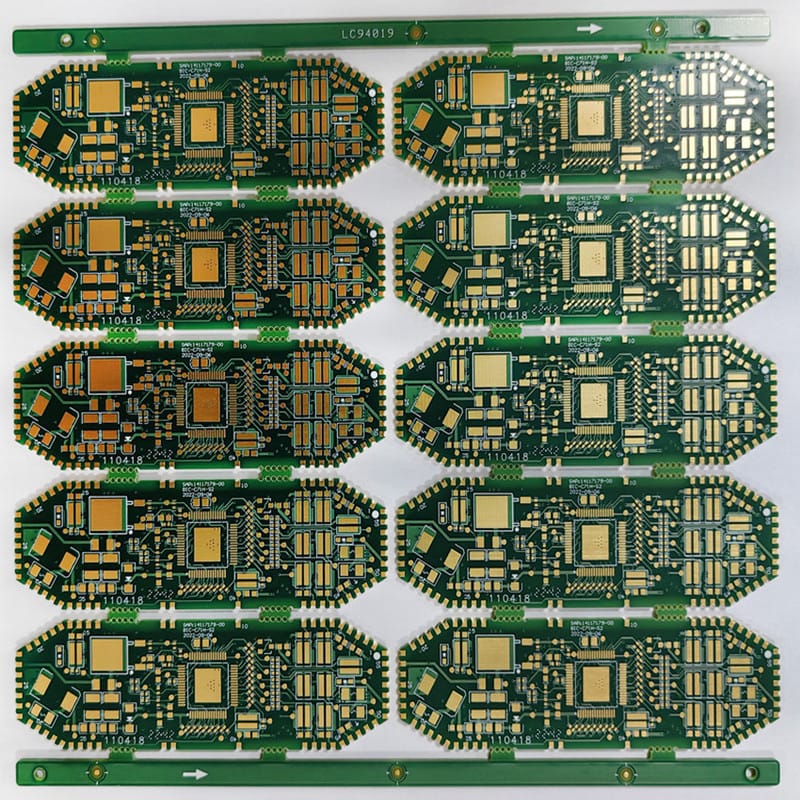
In the rapidly advancing field of electronics manufacturing, the choice of solder materials plays a pivotal role in product quality, environmental compliance, and health safety. Traditionally, lead-based solder has been the industry standard due to its excellent electrical conductivity and low melting point. However, growing environmental concerns and stringent regulations have accelerated the adoption of lead-free alternatives. This article delves into the comparative aspects of lead versus lead-free solder, exploring their benefits, challenges, and future outlook.
### Understanding Solder and Its Applications
Solder is a fusible metal alloy used to join together metal components, primarily in electronics assembly. It ensures electrical connectivity and mechanical stability in circuit boards, connectors, and other components. The choice of solder impacts not only the manufacturing process but also the durability and performance of the end product.
### The Legacy of Lead-Based Solder
For decades, lead-based solder, typically composed of a tin-lead alloy (commonly 60% tin and 40% lead), has been favored for its ease of use, reliable wetting properties, and excellent mechanical strength. Its relatively low melting point, around 183°C, allows for efficient soldering without damaging sensitive components.
Despite its advantages, lead poses significant health and environmental risks. Exposure to lead can cause neurological damage and other serious health issues, leading governments worldwide to impose strict regulations limiting its use in consumer products.
### The Rise of Lead-Free Solder
In response to these concerns, lead-free solder alloys, which primarily use tin combined with metals such as silver, copper, or bismuth, have been developed. The landmark Restriction of Hazardous Substances Directive (RoHS), implemented in the European Union in 2006, mandated the elimination of lead in many types of electronics, accelerating industry-wide adoption of lead-free solders.
Lead-free solders generally have melting points higher than lead-based alternatives, often around 217°C to 227°C, which poses challenges such as increased thermal stress on components during soldering. However, ongoing research and technological advancements have improved the reliability and performance of lead-free alloys, making them a viable and sustainable option for modern electronics manufacturing.
### Comparative Analysis: Lead vs. Lead-Free Solder
**1. Melting Point and Processing:**
Lead-based solder’s lower melting point enables quicker soldering times and reduces the risk of thermal damage to components. Conversely, lead-free solder’s higher melting temperature requires adjustments in soldering profiles, equipment upgrades, and potentially longer cooling times, impacting production efficiency.
**2. Mechanical Properties:**
Lead-based solder exhibits excellent ductility and fatigue resistance, contributing to long-term reliability under mechanical stress and thermal cycling. Lead-free solder alloys have historically faced challenges with brittleness; however, newer formulations have enhanced ductility and improved resistance to thermal fatigue.
**3. Environmental and Health Considerations:**
The most significant driver for lead-free solder is environmental safety. Lead’s toxicity necessitates careful handling and disposal procedures, whereas lead-free alternatives pose fewer health risks, simplifying compliance with international standards such as RoHS and WEEE (Waste Electrical and Electronic Equipment Directive).
**4. Cost Implications:**
Lead-free solder alloys often contain precious metals like silver, increasing raw material costs. Additionally, the need for new processing equipment and potential lower yields during the transition phase contribute to higher operational costs. Nevertheless, these expenses are offset by regulatory compliance benefits and growing consumer preference for green electronics.
### Industry Adaptation and Innovations
Electronics manufacturers have embraced lead-free soldering through comprehensive process re-engineering. This includes updated reflow oven profiles, component materials compatible with higher temperatures, and enhanced quality control measures. Recent innovations in solder paste formulations and flux chemistry have further optimized lead-free soldering to address previous limitations.
Moreover, companies specializing in solder materials provide extensive technical support and training to facilitate smooth transitions for manufacturers at all scales. By leveraging advanced metallurgy and rigorous testing, the industry continues to improve the performance and reliability of lead-free solder in diverse applications — from consumer electronics and automotive systems to aerospace and medical devices.
### The Future of Solder Materials
The trend towards environmentally sustainable manufacturing is likely to strengthen the use of lead-free solder while inspiring novel materials development. Researchers are exploring alternative alloys with lower melting points, improved conductivity, and enhanced mechanical resilience. Additionally, lead-free solders aligned with circular economy principles aim to reduce waste and facilitate recycling.
At the same time, hybrid approaches combining small amounts of lead within regulatory limits, or emerging technologies such as conductive adhesives and solderless interconnects, may provide alternative solutions for specific high-reliability applications.
### Conclusion
The transition from lead-based to lead-free solder signifies a critical evolution in electronics manufacturing — balancing performance, safety, and environmental responsibility. While lead solder established a benchmark for reliable electrical connections, the imperative to protect human health and the planet has ushered in an era of greener alternatives.
Manufacturers equipped with the right materials, knowledge, and commitment to innovation are positioned to succeed in this dynamic landscape. Embracing lead-free solder not only ensures compliance with global regulations but also aligns with the growing consumer demand for sustainable and safe electronic products.
As technology advances and sustainability becomes a central tenet of manufacturing philosophy, the ongoing refinement of solder materials will continue to support the development of cutting-edge electronics that power the modern world responsibly.